The trucking industry has been one of the most critical sectors of the global economy for decades, and it is also one of the most susceptible to automation. As the technology around artificial intelligence continues to advance, the possibility of autonomous trucks being a significant part of the industry's future is becoming more and more plausible. In this article, we will discuss how AI will affect truck drivers and their careers, the current state of the industry, and what experts predict the industry will look like in the future.
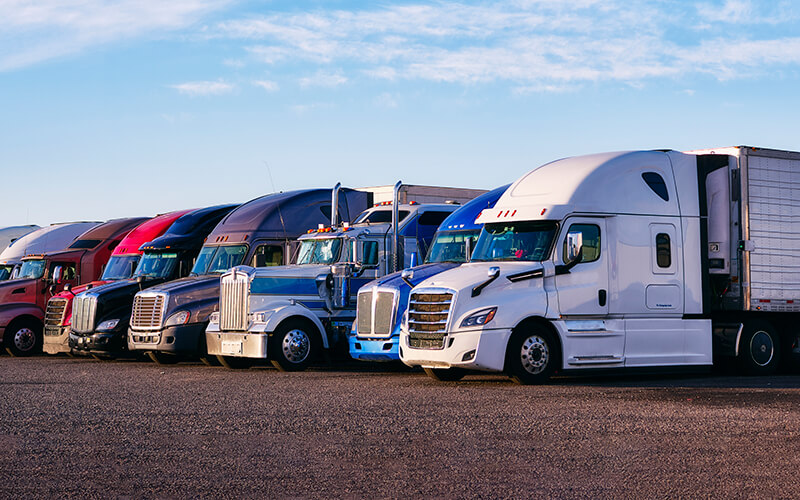
Trucking is a high-demand, high-paying blue-collar job that has been a cornerstone of the American economy for decades. The average long-haul truck driver in the United States earns around $60,000 a year, and there are currently over 3.5 million truck drivers in the country. However, the job comes with challenges, including long hours on the road, extended periods away from home, and a significant risk of accidents.

The trucking industry has already been affected by automation, with the advent of GPS and other technologies making the job more comfortable and more efficient. Now, with the rise of AI and autonomous driving technology, the trucking industry is on the brink of a significant shift. Many experts believe that within the next two decades, the majority of the industry will be autonomous.
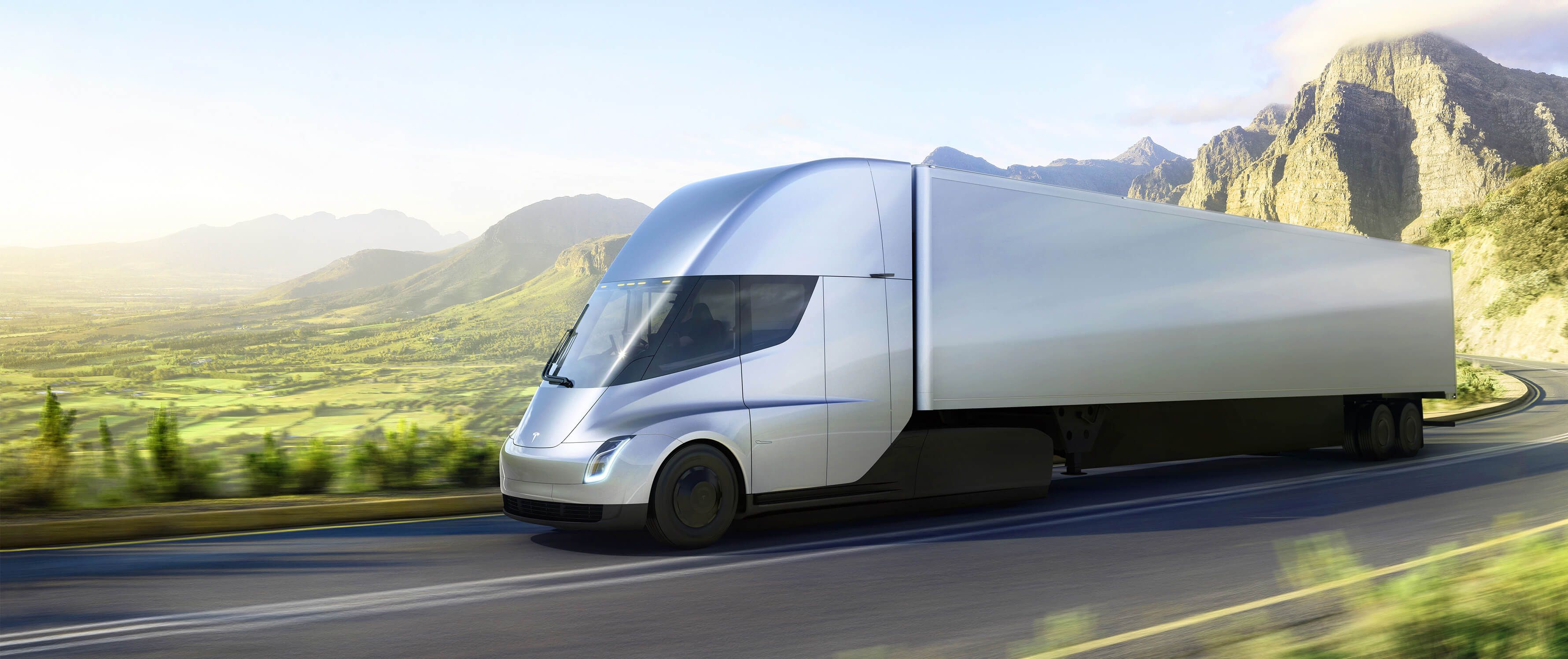
One of the most significant benefits of autonomous driving is increased safety. Autonomous trucks can reduce the risk of accidents by eliminating human error, which is responsible for the vast majority of accidents on the road. Additionally, autonomous trucks can drive for longer periods, increasing efficiency, and reducing the need for truckers to spend long hours on the road.
However, there are also potential drawbacks to the rise of autonomous driving. One of the most significant is the potential loss of jobs for truck drivers. While some experts predict that there will still be a need for human drivers to oversee the operation of autonomous trucks, others believe that the vast majority of trucking jobs will be automated in the next few decades. Additionally, some drivers may be hesitant to embrace the new technology, leading to a potential shortage of qualified workers in the industry.

So, what can current truck drivers do to adapt to the changing industry? The first step is to stay informed. There are already several companies, such as Tesla and Waymo, making significant progress in the autonomous driving space. By keeping up-to-date on industry news and trends, drivers can be better prepared to adapt to new technologies as they are implemented.

Another option for current truck drivers is to focus on developing skills that will be valuable in a more automated industry. For example, drivers can learn how to operate and maintain the software and hardware that runs autonomous trucks. Additionally, developing skills in logistics, data analysis, and fleet management can help drivers transition into other roles within the industry.

In conclusion, the trucking industry is on the brink of a significant shift, with the rise of autonomous driving technology. While this technology has the potential to increase efficiency and safety, it also has the potential to lead to job loss for current truck drivers. By staying informed, developing new skills, and embracing new technologies, current drivers can adapt to the changing industry and position themselves for success in the future.
Comments
Post a Comment